8 Household Items You Can Upcycle Easily
Upcycling is one of the simplest ways to reduce waste, save money, and get creative at home. Instead of tossing everyday items, repurpose them into something practical!
1. Glass Jars
Glass jars are one of the easiest and most useful things to reuse at home because they’re durable, airtight, and already designed for storage.
Easy upcycling ideas:
• Pantry storage for rice, pasta, beans, or snacks
• Bathroom organizers for cotton pads, swabs, or bath salts
• Spice containers with handwritten or printed labels
• Desk organizers for paper clips, pens, or chargers
• Simple candle holders or small floral vases
Tip: Remove labels by soaking jars in warm soapy water, then use a bit of oil or baking soda to clean off residue for a polished look.
2. Old T-Shirts
Old T-shirts are soft, flexible, and perfect for textile reuse—even if they’re stained or worn out.
Easy upcycling ideas:
• Cut into cleaning rags for dusting and spills
• Make reusable grocery bags by cutting and tying or sewing
• Turn into braided pet toys for dogs or cats
• Create headbands or hair ties from fabric strips
• Use as stuffing for pillows or pet beds
Tip: Cotton shirts work best since they’re absorbent and washable.
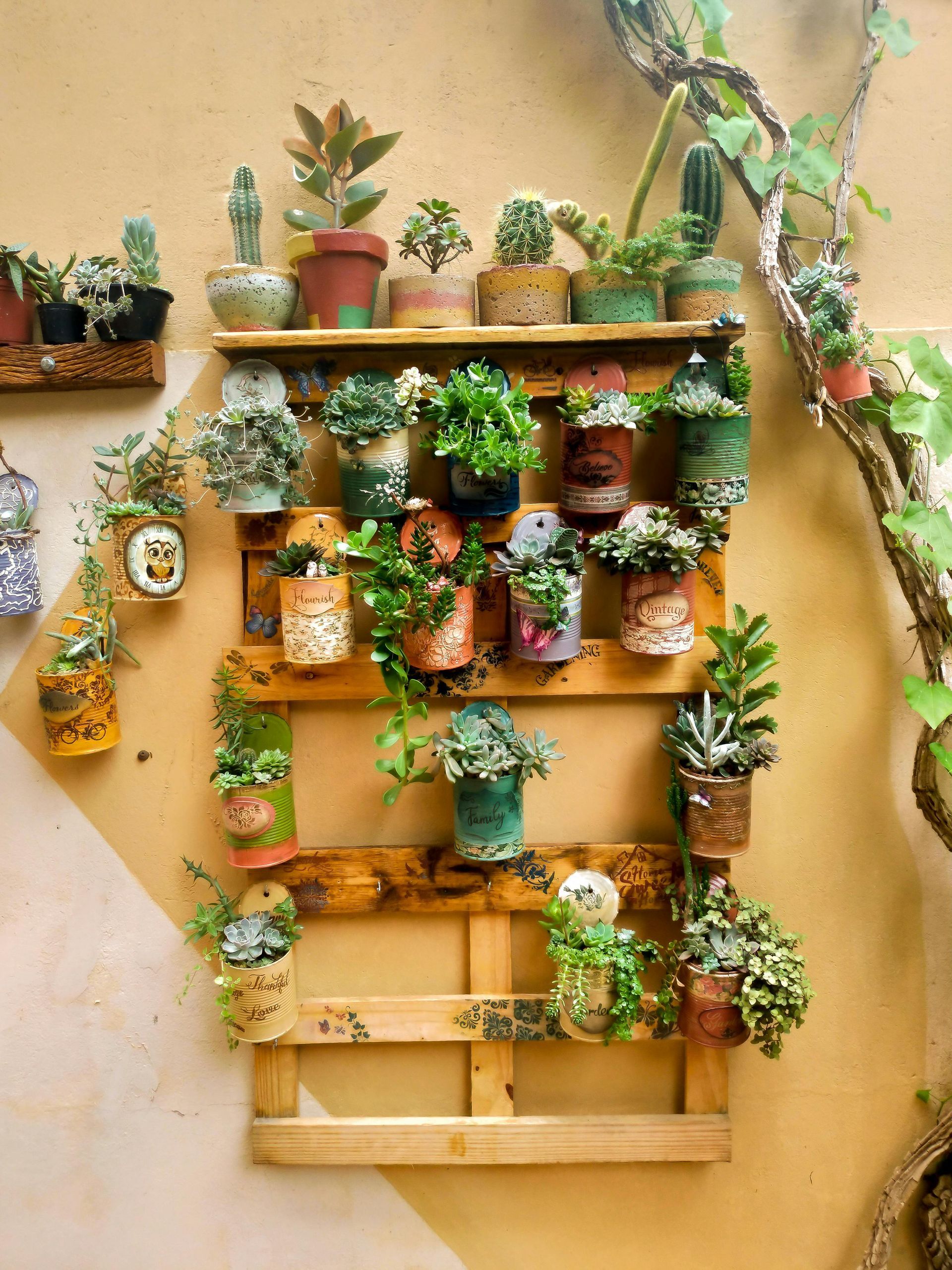
3. Tin Cans
Tin cans are sturdy, stackable, and ideal for small storage or garden projects once cleaned properly.
Easy upcycling ideas:
• Pencil or utensil holders for desks and kitchens
• Mini planters for herbs, succulents, or seedlings
• Bathroom storage for makeup brushes or grooming tools
• Hanging lanterns by punching simple holes into the sides
• Garage storage for screws, nails, and hardware
Tip: Always file down sharp edges or cover them with tape for safety.
4. Cardboard Boxes
Cardboard boxes are one of the most flexible materials you can upcycle because they’re easy to cut, stack, and customize.
Easy upcycling ideas:
• Drawer dividers for socks, underwear, or cables
• Pantry or closet storage bins
• Kids’ play structures (castles, kitchens, or houses)
• Cable management boxes for electronics
• DIY file or magazine holders
Tip: Reinforce with extra layers of cardboard if you plan to store heavier items.
5. Glass Bottles
Glass bottles are surprisingly versatile and can be turned into both functional and decorative pieces.
Easy upcycling ideas:
• Water or oil dispensers for the kitchen
• Flower vases for fresh or dried arrangements
• Homemade soap or lotion dispensers (with pump tops)
• Decorative lighting or candle bottles
• Painted or wrapped décor pieces for shelves
Tip: Soak labels off and use rubbing alcohol for a clean, residue-free finish.
6. Wooden Pallets
Wooden pallets require a bit more effort but can become some of the most rewarding upcycling projects.
Easy upcycling ideas:
• Coffee tables or side tables
• Outdoor seating or patio furniture
• Vertical garden walls for herbs or flowers
• Shoe racks or entryway organizers
• Bed frames or headboards (for more advanced DIYers)
Tip: Always check for heat-treated pallets (marked “HT”) rather than chemically treated ones.
7. Mugs and Chipped Cups
Even chipped or mismatched mugs can still be useful and decorative.
Easy upcycling ideas:
• Desk organizers for pens, scissors, and tools
• Small succulent or herb planters
• Makeup brush holders in the bathroom
• Tea bag or sugar packet stations in the kitchen
• Craft storage for beads or buttons
Tip: If a mug has a crack, avoid using it for liquids but it’s still fine for dry storage or decor.
8. Old Sheets and Bedding
Old bedding provides a large amount of usable fabric, making it one of the most practical textile upcycling options.
Easy upcycling ideas:
• Cleaning rags or dust cloths (cut into sections)
• Reusable fabric wraps for storage or moving
• Drop cloths for painting or DIY projects
• Pet bedding or cage liners
• Lightweight curtains or fabric covers for shelves
Tip: Even faded or slightly torn sheets are perfect for utility use rather than aesthetic projects.
Final Thoughts
Upcycling works best when it’s simple and practical. You don’t need elaborate tools or artistic skill, just a habit of rethinking what something could be instead of what it was originally used for.
Most of these materials are already in your home. The only real change is deciding not to throw them away.